
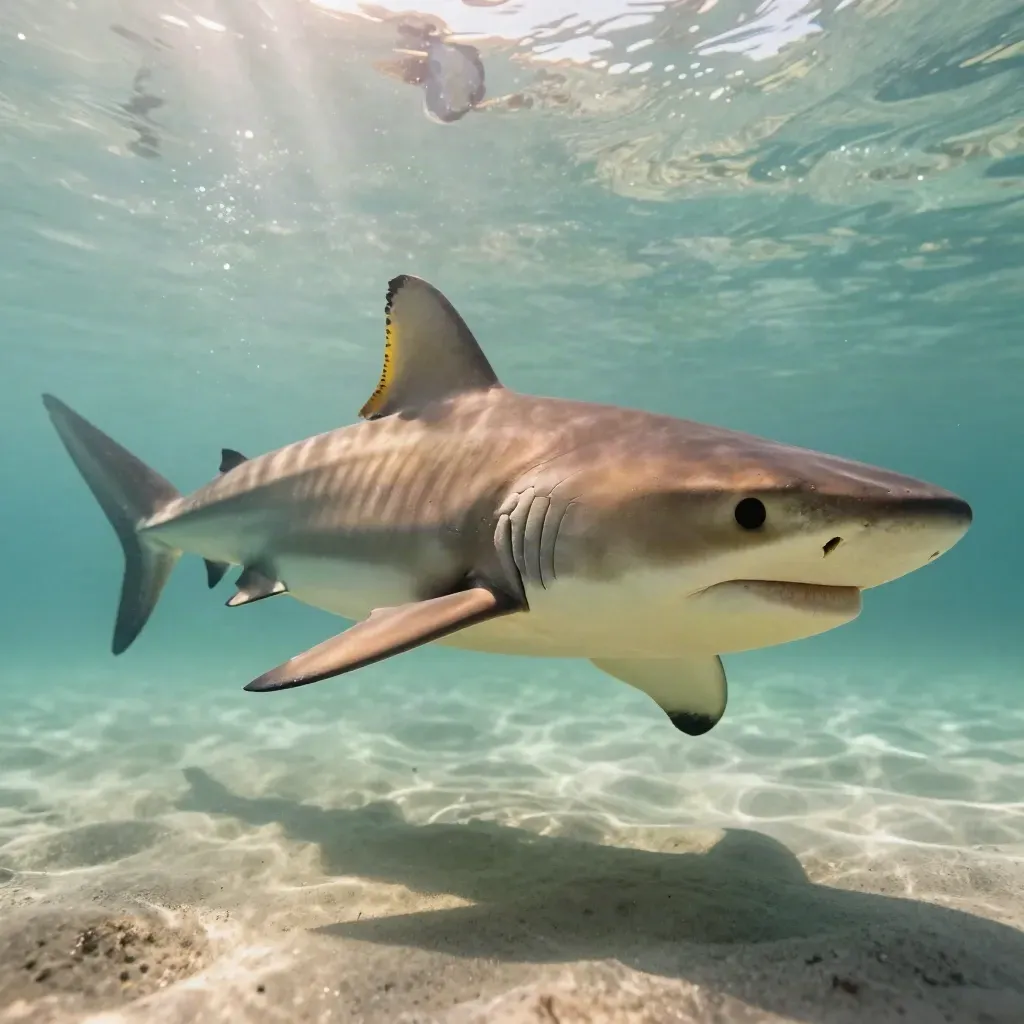
Species
Lemon Shark Profile
Meet the species, size, food, and the places it uses most.
FIELD NOTES
Read shark facts, habitat notes, and simple ways to help keep coastal waters healthy for lemon sharks and the life around them.
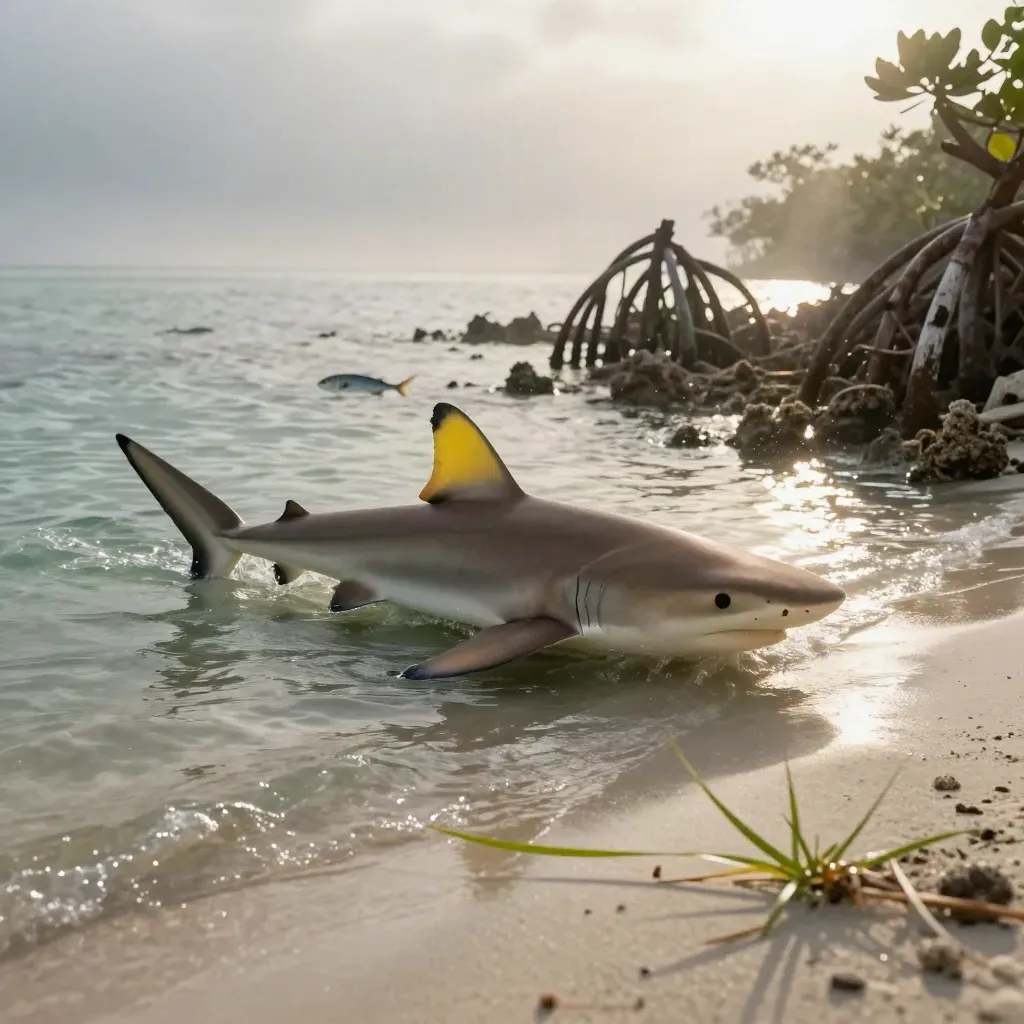
FROM THE JOURNAL
Meet the species, size, food, and the places it uses most.
Species
Meet the species, size, food, and the places it uses most.

Habitat

Research
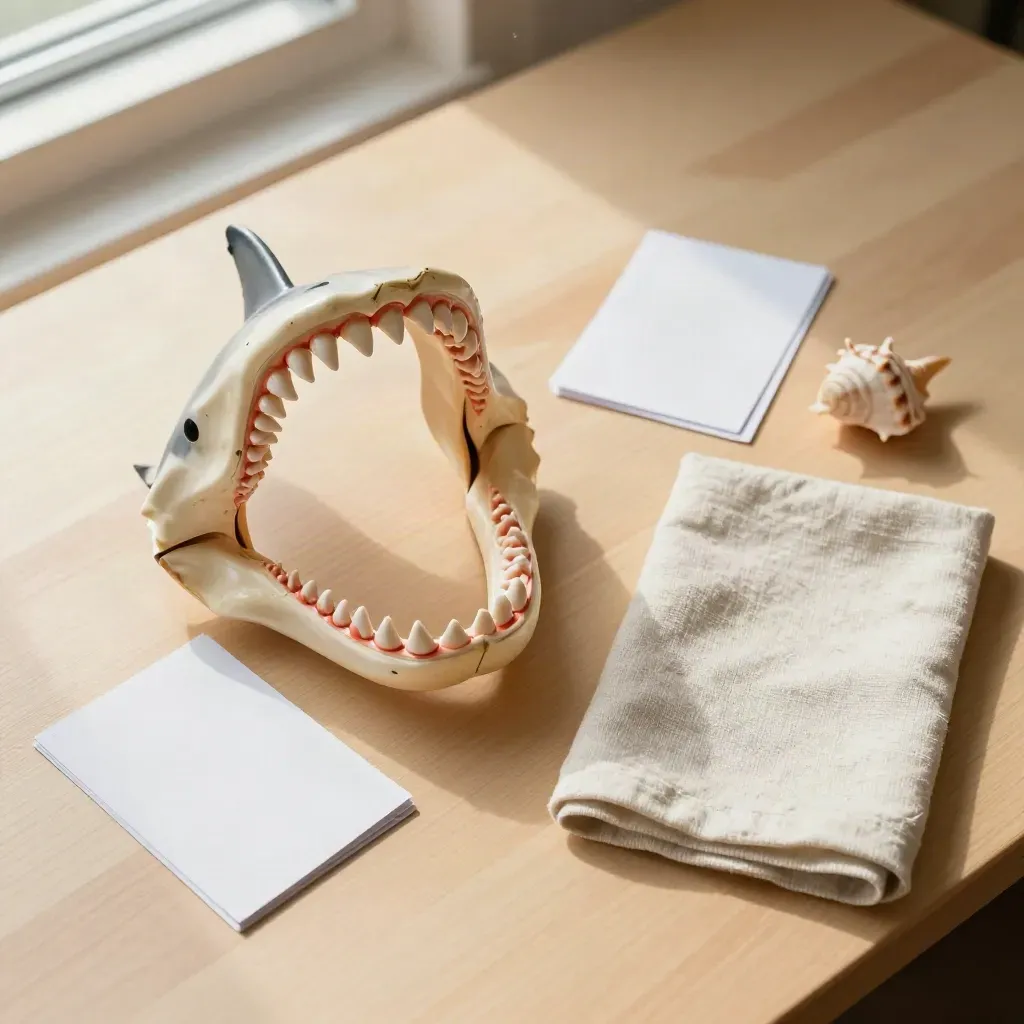
A simple sheet with facts, maps, and quick talk prompts.
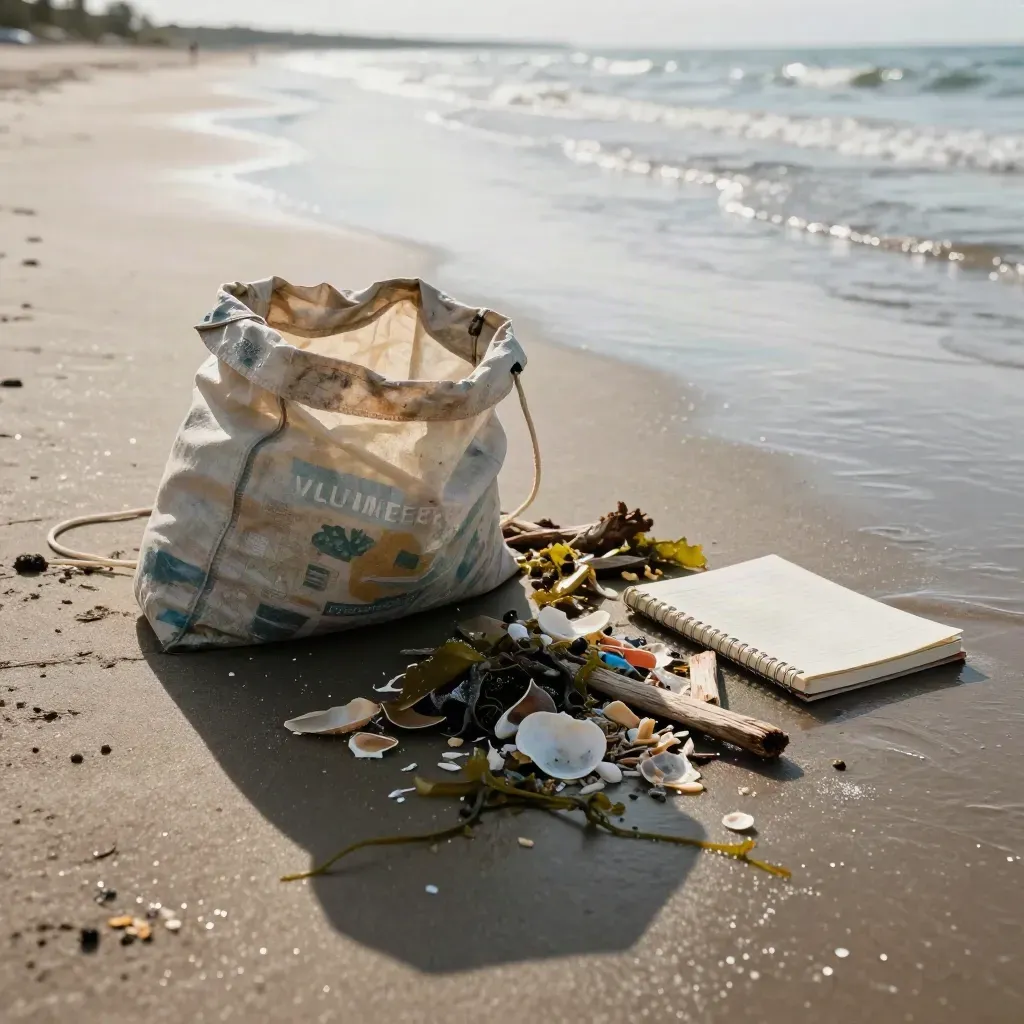
Beach cleanups, note sheets, and local tasks that help.
A short note for schools, labs, and dive teams.
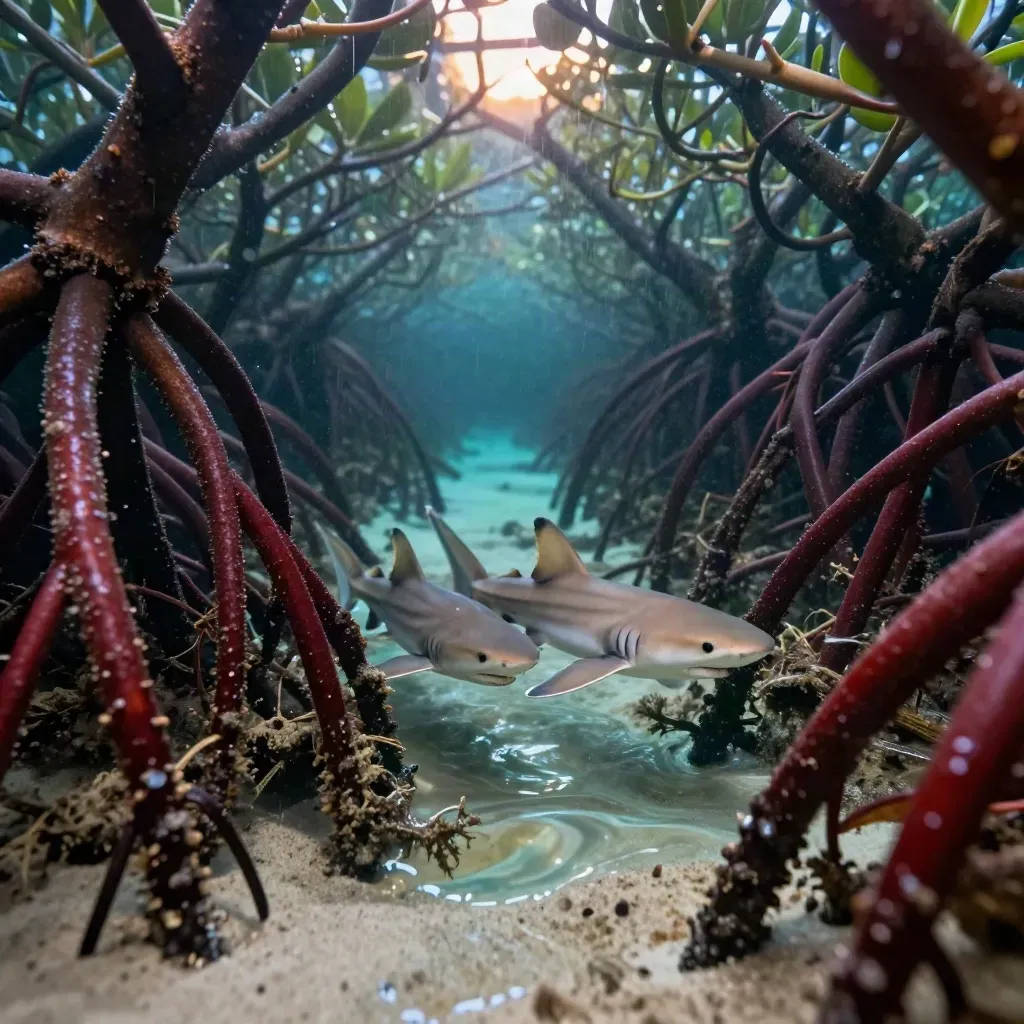
Habitat
Habitat
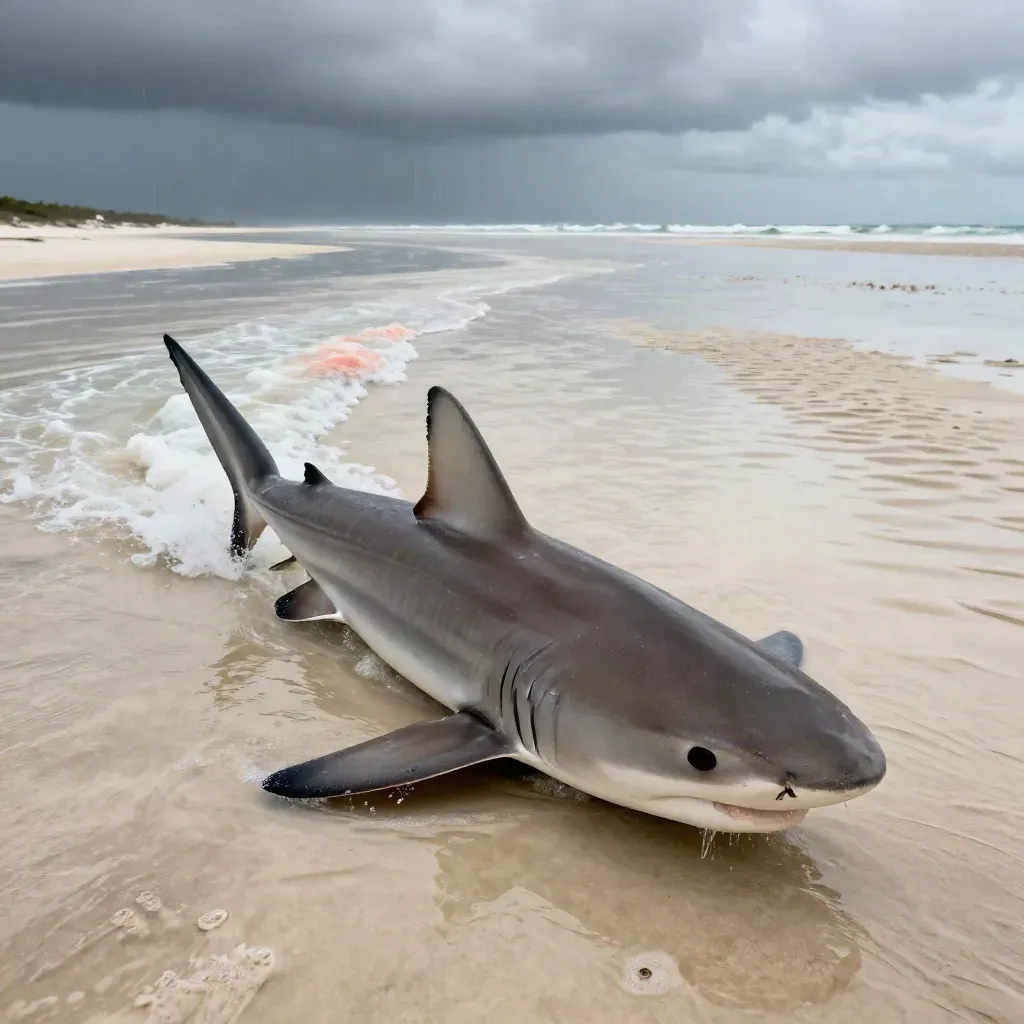
Field note
Field note
TOPICS
Body shape, teeth, diet, and how they live near coasts.
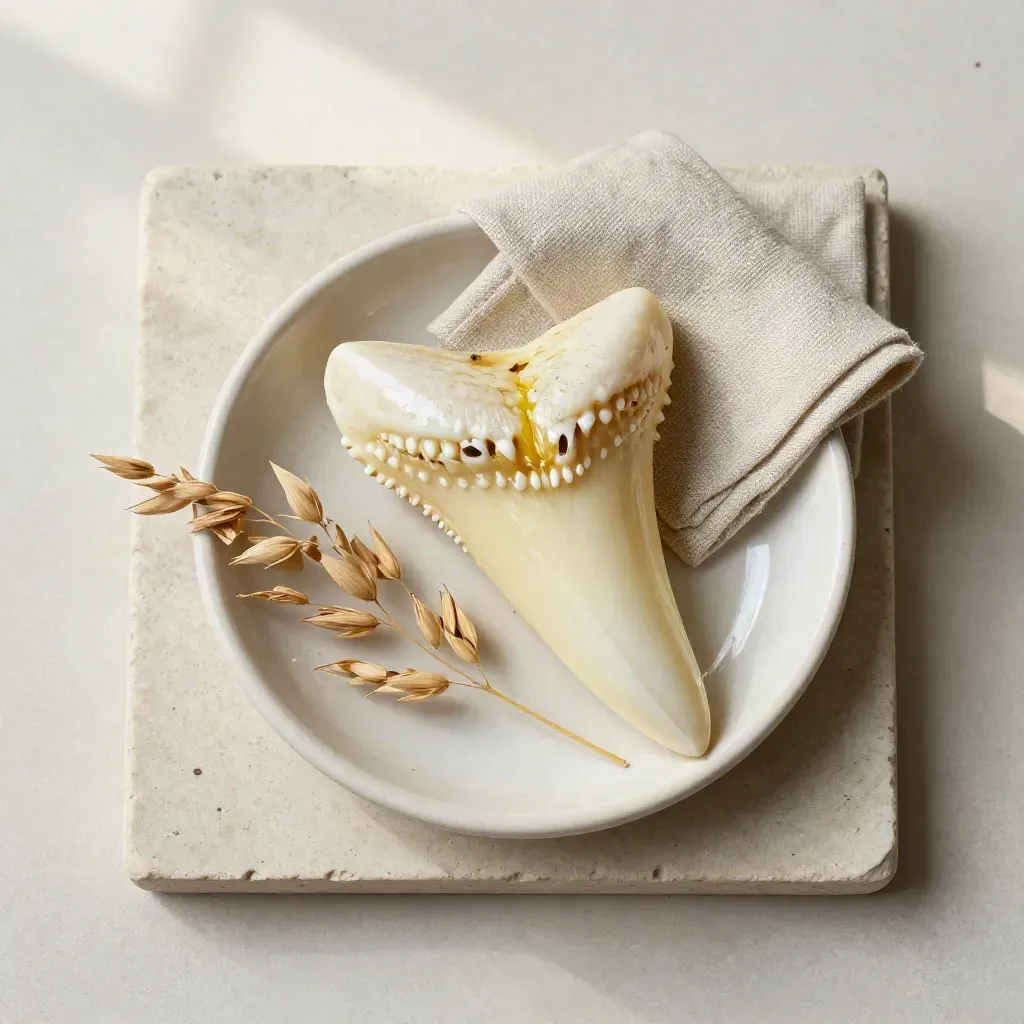
GUIDE
Body shape, teeth, diet, and how they live near coasts.

GUIDE
Mangroves, seagrass, reefs, and nursery waters that need care.

TRENDS
Short notes from tagging work, surveys, and field reports.

TIPS
Lesson sheets, maps, and quick tasks for grades 4 to 12.
reports and field notes
reports and field notes
classroom guides
classroom guides
partner briefs
partner briefs
Community
“Clear facts that help my class talk about sharks with confidence.”
Dr. Maya Torres
Marine science teacher, Gulf Coast School
“Field notes we can share with donors and local schools.”
Owen Bell
Dive instructor, Blue Reef Charters
“Short, useful reports on habitat shifts and season changes.”
Elena Park
Community outreach lead, Tidewatch Trust
SPOTLIGHTS
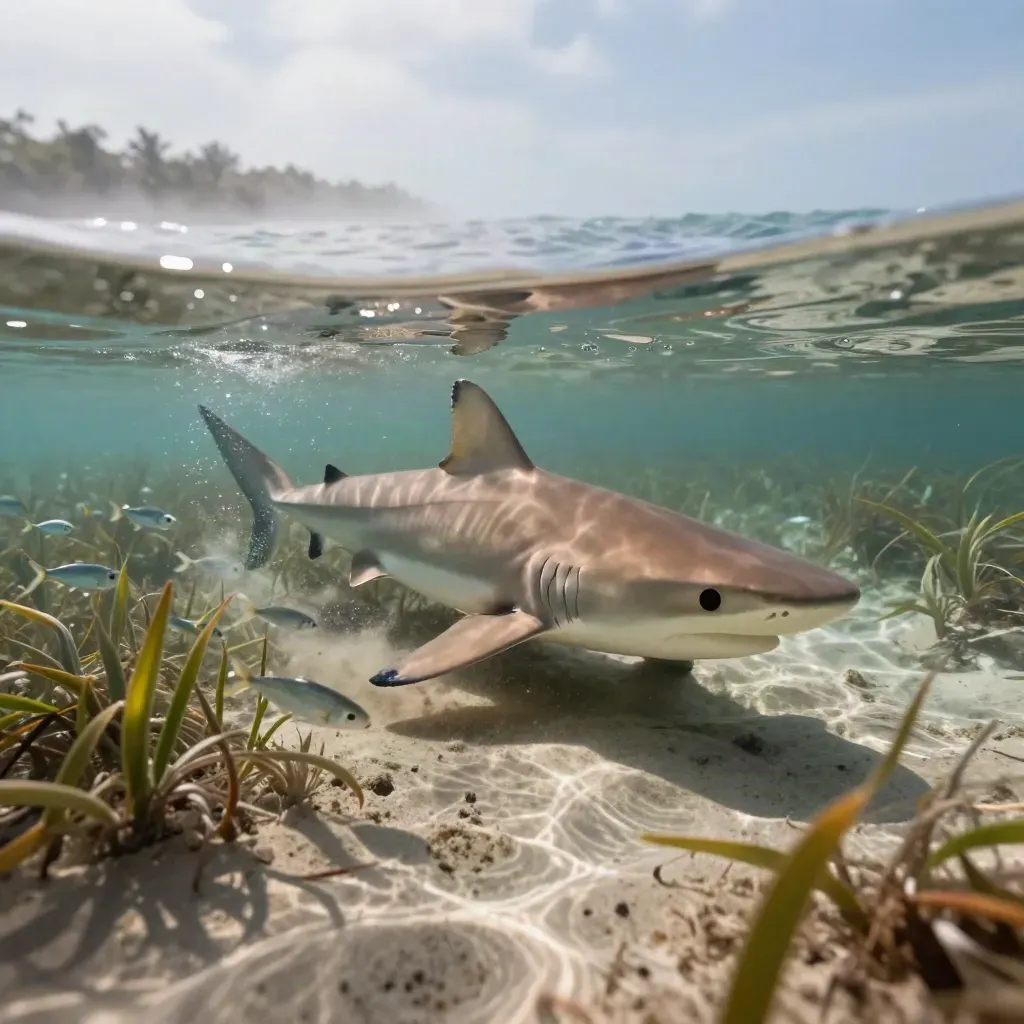
Read why shallow water and grass flats matter for young sharks.
Spotlight
Read why shallow water and grass flats matter for young sharks.

A tagged shark made a long loop across warm coastal water.
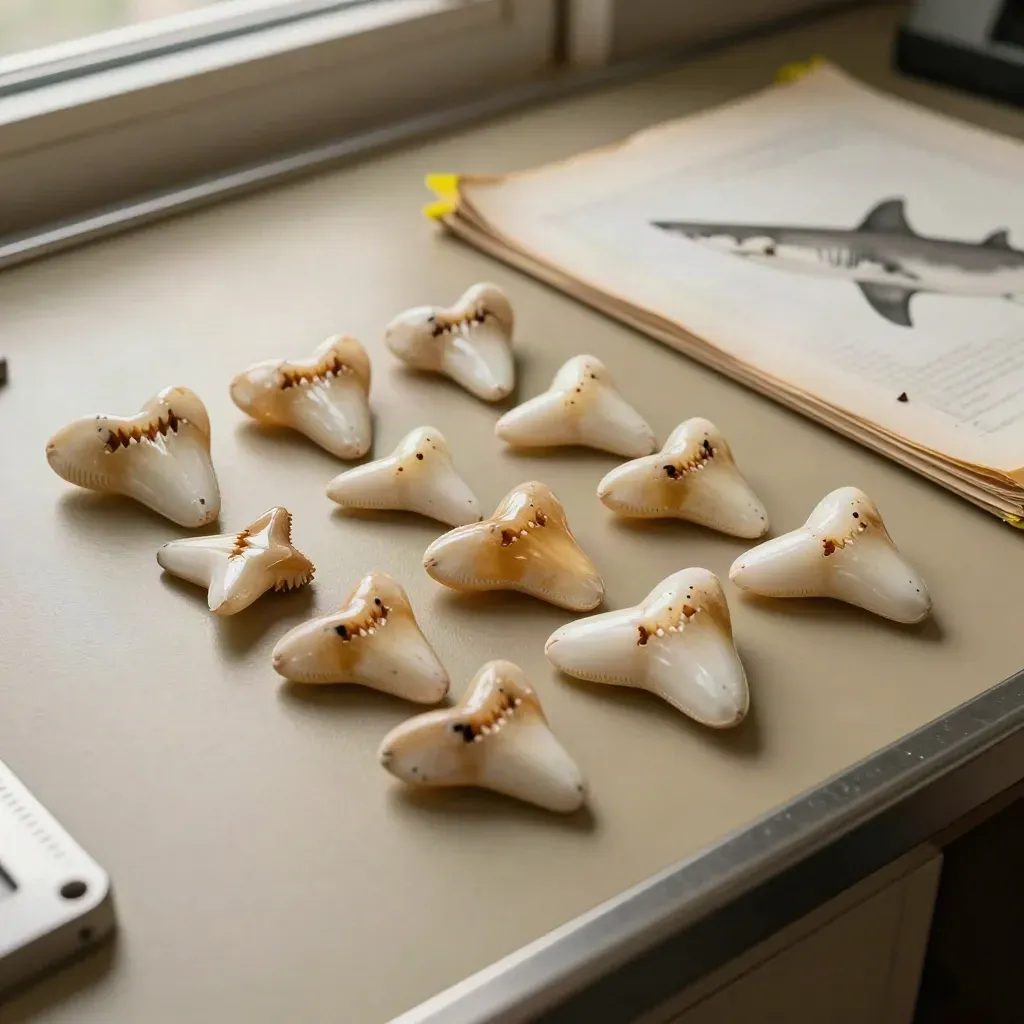
A print page that shows shape, use, and wear.
Partner
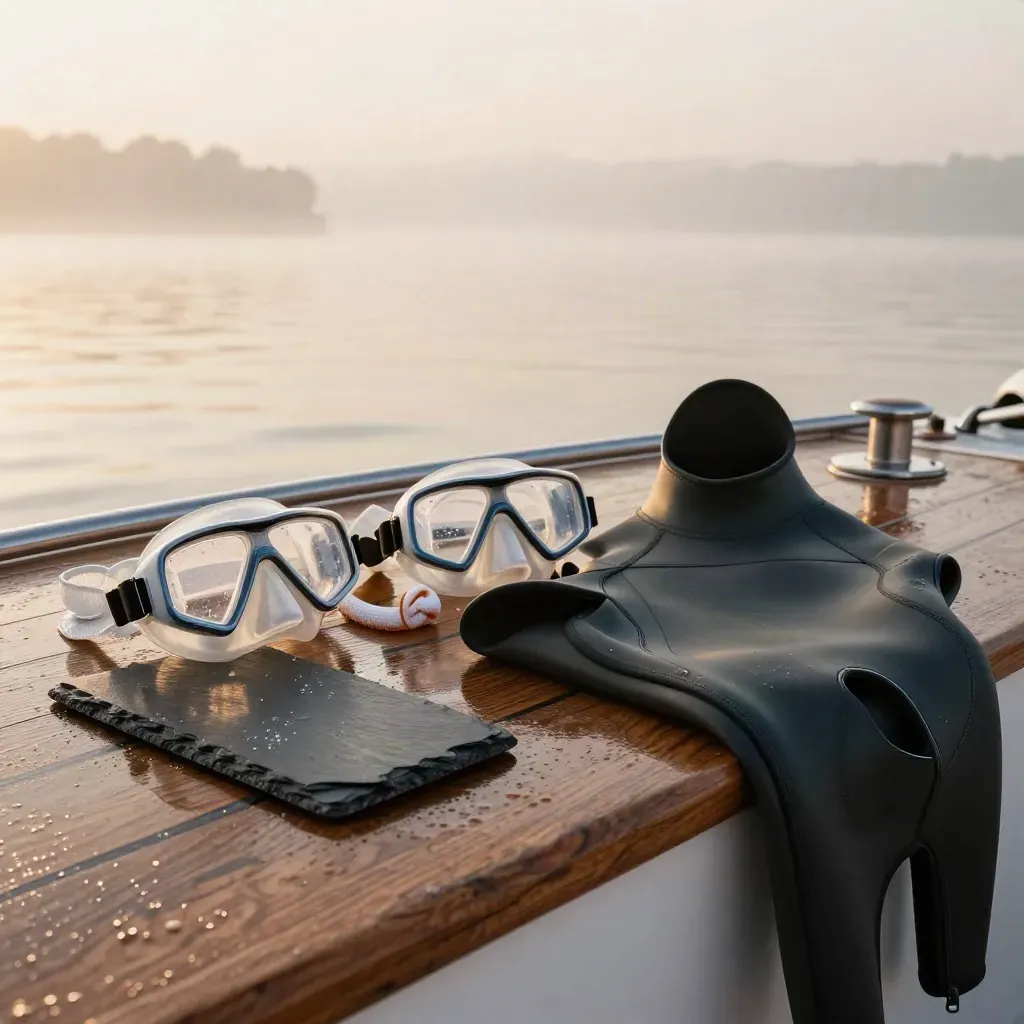
Quick notes for boats that meet sharks near sand flats.

Simple maps for school talks and local outreach.
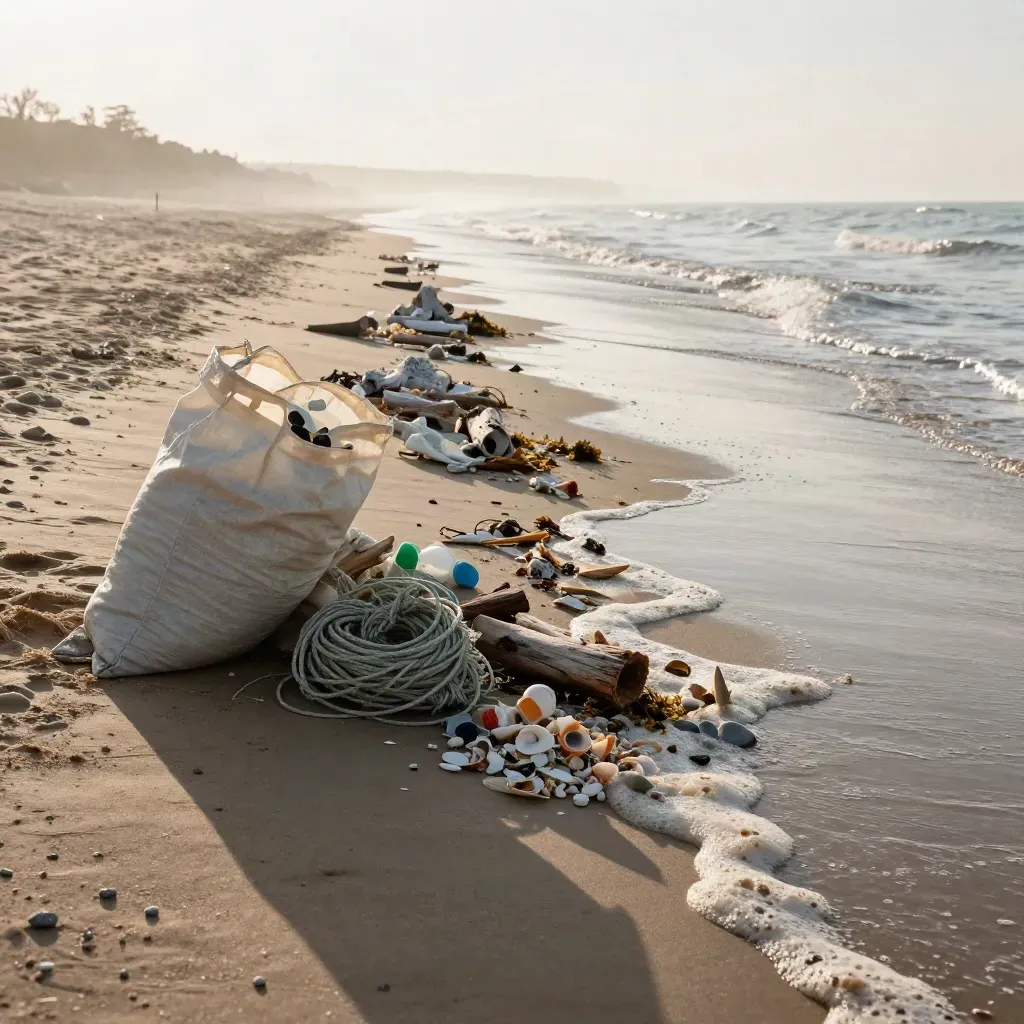
What volunteers found on shore and what changed after.
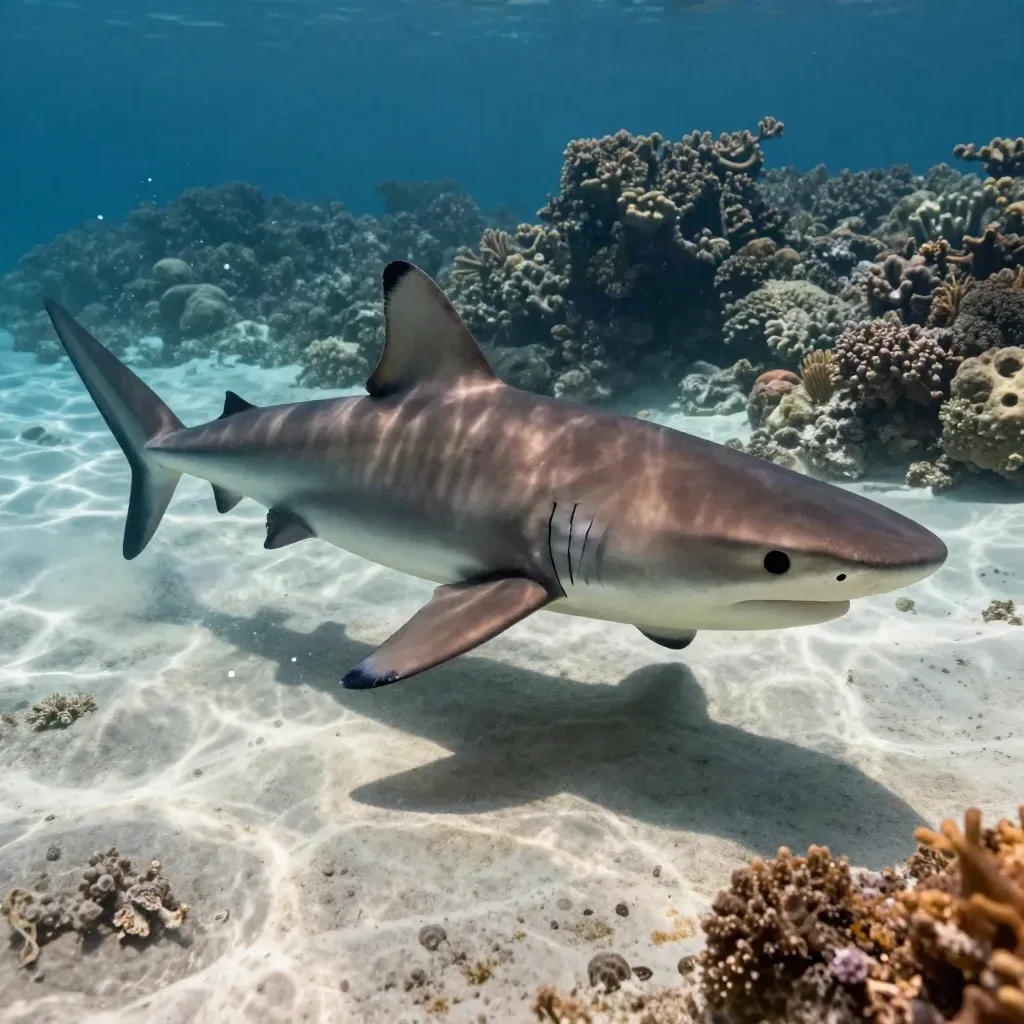
Close photos that show size, fins, and skin marks.
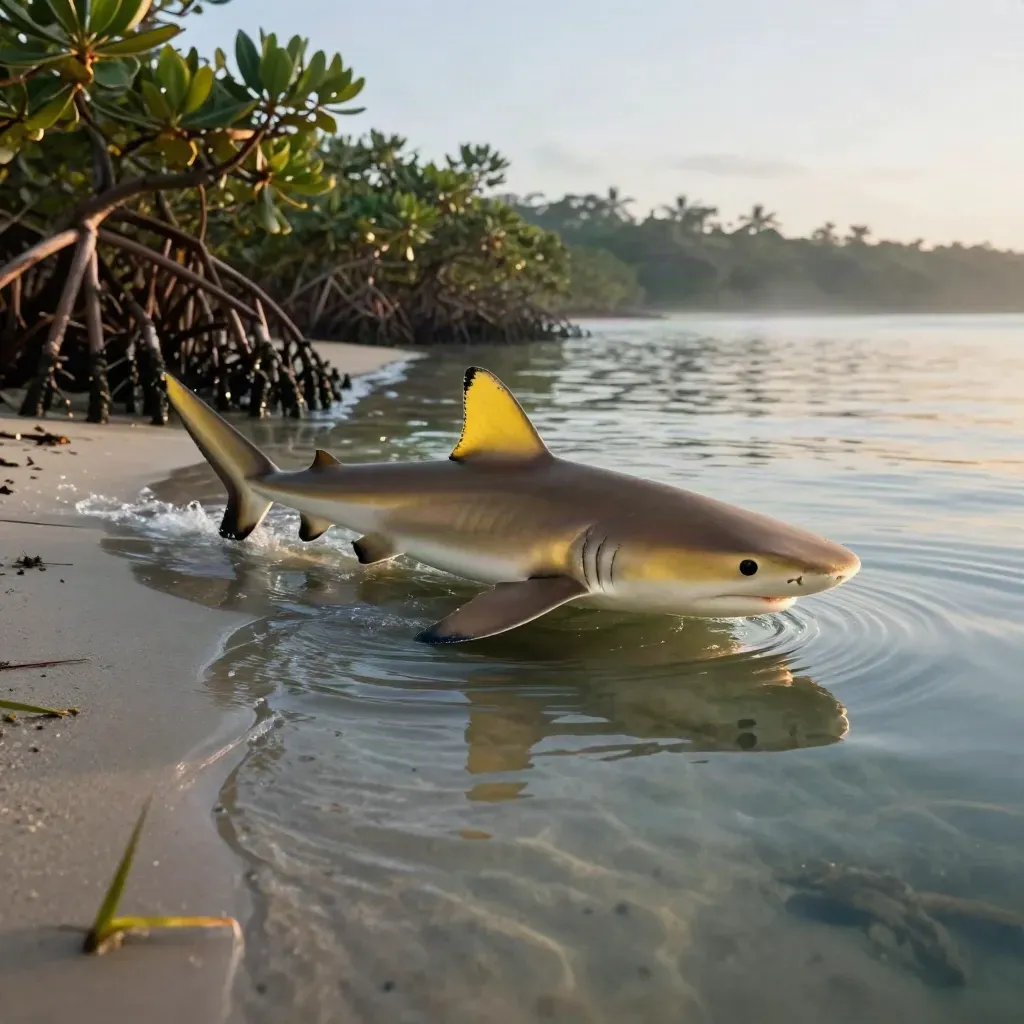
Help fund facts, field work, and habitat care.
Journal




Questions
Quick answers before visitors choose a product, service, or next step.
Lemon sharks are coastal sharks with yellow-brown skin. They live in warm, shallow water and eat fish, rays, and crabs.
They help keep reef food webs in balance, and their homes face fishing, lost seagrass, and heavy coastal growth.
They live in the western Atlantic, Gulf of Mexico, and parts of the eastern Pacific, often near mangroves and flats.
Use our classroom guides, share fact sheets, and join beach cleanups, letter drives, and local science events.
Yes. Gifts help fund shark research, habitat maps, school pages, and reports that support local sea protection.
Yes. We work with schools, dive teams, labs, and nonprofits on research notes, learning tools, and outreach.
Get short notes on lemon sharks, habitat work, and new guides in your inbox each month.